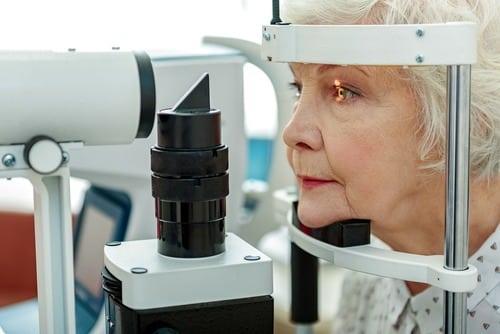
If you are taking a senior member of society for an eye test, you are already doing a positive deed for the world. Taking a senior citizen for an eye exam can be quite a daunting prospect for both you and them. The confusion that can come from dementia can make the process of a medical check-up quite challenging. However, by being mindful and patient, everyone involved can have a positive experience getting their eyes checked. After all, being able to read, watch television and see everyone in-focus makes the world a much brighter place. If you are considering looking for an optometrist in Charleston and want to take someone who has dementia, here are some aspects to consider.
Be aware of the symptoms.
It can be daunting to go into an eye exam with a dementia patient if you are not fully aware of the symptoms. Understanding the symptoms can help you to pre-empt some difficulties they may experience during the examination:
- Unsure of the time: While many people expect dementia symptoms to be related to memory loss mostly, it can also affect their perception of time.
- Struggles with communication: This may require direct clarity and patience during the examination.
- Unsure of the place or people: While you’re in the examination, there may be a bit of confusion about where they are and who they’re with. Again, this requires reassurance and gently reminding them that they are in an eye exam to update their prescription.
- Discomfort: Try not to panic or worry if they experience pain or discomfort during the exam; this is completely normal for dementia patients. Your optician will work around this and make the exam as comfortable as possible for them.
- Mood changes: Unfortunately, one common symptom of dementia is a volatile change in mood. This may happen during the consultation or test, but all you need to do is remain calm and gently return to proceedings when they are ready.
- Poor balance and coordination: Helpfully assisting them with difficulty with their coordination or movement is the most reassuring approach you can take.
- Hallucinations: Dementia patients are likely to experience difficulties with their vision, which is why an eye test is so important. However, as well as eyesight problems, they may experience hallucinations. As with all symptoms of dementia, you must reassure them and stay patient.
Understand that it may be confusing at times
As mentioned above, dementia can cause the individual to feel hugely disorientated and confused. It may happen during the eye exam or before you leave. Being patient and reassuring is the best approach to take, as well as maintaining eye contact. Those who have dementia can find medical situations frustrating or uncomfortable. While the feelings and statements they express may seem irrational, you need to remember that it is genuine to them. Try to reassure them without dismissing their emotions. Promise them that the eye exam is necessary and wrap up very soon – and importantly, they do need it.
Expect a longer eye-test
Depending on what stage they are at with their dementia diagnosis, whether they’re just beginning or have further developed symptoms, you may need to allow more time for the eye test. This is because the test may have to be broken up into parts to complete each part. You may also need to pause or take breaks if the patient becomes lethargic or just too tired to continue. If this happens, it’s important to reassure them that this is fine and that you will continue only when they are absolutely ready to do so. If you’re worried that the senior citizen you’re with may need some extra time, call in advance to chat with your optician. For example, if you were looking for Charleston’s closest eye exams near you, it would be good to get some reassurance that it’s perfectly fine to get some extra time for the patient.
Put your trust in the optician.
Remember that it is unlikely that this will be the first time they have worked with a patient with dementia when you visit your optician. While it will be beneficial for you to support them, the optician is a trained professional. They will be aware of how to accommodate their needs and what questions to ask. A good optician will make the environment more dementia-friendly. This means going to a quiet, comfortable, well-lit room that makes communication as easy as possible.
It’s important too to remember that opticians are professional and will remain non-judgmental. It is their job to help the patient get the right prescription and the care they need.
Know that you are doing the right thing
It can be easy to feel as if you are putting a senior citizen through an unwanted amount of stress when you take them for an eye exam or check-up. However, it is important to know that you are doing them a fundamental service to their overall health. The reason for this is that as the condition progresses, people living with dementia aren’t as well equipped to articulate the need for a check-up or notice a change in their health. While the exam might be challenging at times, your persistence gives them the right care they need.
If you are looking for eyecare in Charleston for a senior patient with dementia and want to be assured that they will be looked after, you needn’t worry. Opticians regularly work with patients who require extra care and consideration during exams. If you are worried about the process of taking a senior patient into an exam, contact your optician first to chat through the procedure. This may also give you some tips on helping the patient through the exam on the day. Just remember that your patience and help will be invaluable to them on the day.