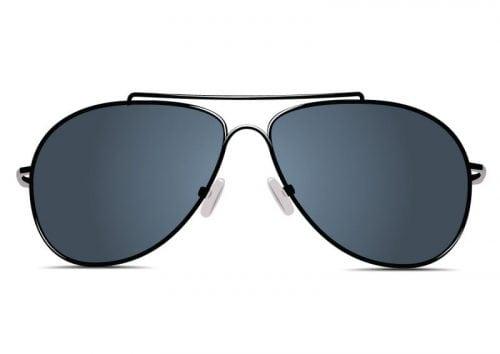
Polarized vs. Non-Polarized Sunglasses
Understanding the difference between polarized and non-polarized sunglasses is crucial when protecting your eyes from the sun’s glare. These two types of eyewear are designed to shield your eyes, but they have distinct features and functionalities that cater to various needs and preferences.
What are polarized lenses?
Polarized lenses are a remarkable innovation in eyewear, designed to dramatically reduce glare from surfaces like water, snow, and glass. These lenses are crafted by embedding a unique chemical film on the lens, which filters intense light that reflects from horizontal surfaces. This process is known as polarization, akin to a chemical Venetian blind acting as a sieve for light rays.
Polarized lenses are particularly beneficial in specific scenarios:
- Driving under intense sunlight, where the reduction of glare can prevent accidents,
- Outdoor activities near water or snow where reflected light is low
- Any environment where the comfort of your vision is a priority.
Benefits of Polarized Lenses
The advantages of wearing polarized sunglasses are manifold:
- Significant reduction of harsh light and glare, providing comfort to the eyes.
- Enhanced visual clarity and contrast, making objects appear more defined.
- Improved color purity, allowing for a more vibrant visual experience.
These benefits are especially noticeable in environments with high glare, including aquatic settings, snowy landscapes, and driving under bright conditions.
Drawbacks of Polarized Lenses
However, polarized lenses are not without their drawbacks.
- They can make it challenging to view LCD screens, affecting the visibility of specific digital devices.
- Some users might find issues in distinguishing between similar colors, a critical factor in particular sports and activities.
- There might be excessive filtering of light, which is not preferable for everyone, especially in lower light conditions.
Here’s a guide to placing your sunglasses frames for more detailed information on identifying polarized lenses.
What are non-polarized lenses?
In contrast, non-polarized lenses do not contain this filter. They reduce light intensity uniformly rather than selectively filtering out specific light rays. This means they shield your eyes from brightness but do not tackle glare.
Non-polarized lenses are advantageous when glare is not a significant issue and uniform light reduction is preferable. They’re also typically more suitable for viewing digital screens and situations where color differentiation is crucial.
Understanding the differences between these lenses allows individuals to make informed choices based on their lifestyle, preferences, and activities. Whether you choose polarized or non-polarized sunglasses, the most important thing is that they should offer adequate UV protection to safeguard your eye health.
Choosing Between Polarized and Non-Polarized Sunglasses
Deciding between polarized and non-polarized sunglasses involves more than just style preferences. It’s about your eyes’ comfort and protection. Understanding the benefits and drawbacks of each can help you make an informed decision.
Benefits of Non-Polarized Lenses
Non-polarized lenses offer various advantages, mainly depending on the activities you engage in:
- Versatility in Different Lighting Conditions: They provide consistent shade from the sun, making them suitable for general use in various lighting environments.
- Visual Clarity: These lenses allow for a natural perception of colors, essential in activities where color distinction is crucial, such as viewing digital screens or driving in conditions where glare is not a significant concern.
- Cost and Variety: Typically, non-polarized sunglasses are less expensive than their polarized counterparts, making them more accessible. Plus, they come in a broader range of styles and colors for those who prioritize fashion considerations.
However, they might not be optimal for intense glare activities, where polarized lenses would be more beneficial. For a broader understanding, explore this guide on identifying.
Drawbacks of Non-Polarized Lenses
Despite their benefits, non-polarized lenses also have certain limitations:
- Limited Glare Reduction: They don’t eliminate glare from reflective surfaces like water, snow, or glass, which can strain the eyes, especially in high-glare environments.
- Potential for Eye Strain and Discomfort: The lack of glare reduction can lead to squinting, eye strain, and discomfort in bright light conditions, mainly when sunlight reflects off surfaces.
These drawbacks suggest that non-polarized sunglasses may be suitable for general use but may not provide adequate comfort and protection in more intense light conditions.
How to Identify Polarized vs. Non-Polarized Sunglasses
Distinguishing between polarized and non-polarized sunglasses is straightforward with a simple test:
- The Tilt Test: Tilt your head left and right while viewing a digital screen. Polarized lenses will cause the screen to darken due to their design to block certain light waves. Non-polarized lenses won’t show this effect.
This test is crucial for confirming whether your sunglasses are polarized wildly since some might be mislabeled.
Making the Choice: Polarized vs. Non-Polarized Sunglasses
Choosing between polarized and non-polarized sunglasses depends on your lifestyle, activities, and specific needs.
- Consider Your Activities: Polarized sunglasses will provide better comfort and visibility by reducing glare if you frequently engage in outdoor activities, especially near water or other reflective surfaces.
- Think About Your Comfort: Polarized lenses can reduce eye strain and provide a more comfortable visual experience if you are sensitive to light or are often in high-glare environments.
- Evaluate the conditions: For indoor activities, cloudy days, or situations where you need accurate color perception, non-polarized lenses might be more suitable.
Remember, the best sunglasses for you are the ones that fit your lifestyle and provide the most comfort and protection for your eyes.
Conclusion: Balancing Pros and Cons for Your Needs
In conclusion, both polarized and non-polarized sunglasses have their own unique set of benefits and drawbacks. Your choice should hinge on where, when, and how you’ll use them. Consider the environments you’re often in, your activities, and what you need regarding eye protection and comfort. Whether you opt for the glare-reducing capabilities of polarized lenses or the versatile and natural view offered by non-polarized ones, the most crucial factor is that your choice should cater to your needs and provide the utmost eye protection. Always prioritize your visual health, as it’s an invaluable part of your overall well-being.