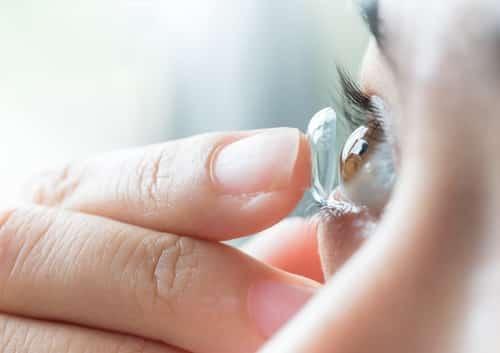
Contact lenses, revered for their convenience and vision correction capabilities, aren’t universally suitable for everyone.
While contact lenses offer many an excellent alternative to traditional eyeglasses, certain conditions and circumstances might render them unsuitable or uncomfortable for certain individuals. Understanding the factors determining who cannot wear contact lenses is essential for those considering this vision correction method.
Medical Conditions
- Severe Dry Eye Syndrome:
Individuals with severe dry eyes often struggle with contact lenses due to insufficient moisture on the eye surface. Contacts can exacerbate the condition by further drying out the eyes, causing discomfort and potential damage.
- Keratoconus:
This progressive condition involves the cornea thinning and changing shape, leading to distorted vision. Advanced stages of keratoconus might make it challenging to achieve effective vision correction with contact lenses.
- Corneal Irregularities or Scarring:
Any irregularities or scarring on the cornea may prevent contact lenses from sitting correctly on the eye, resulting in discomfort and compromised vision.
- Eye Infections or Inflammation:
Wearing contact lenses during an eye infection or inflammation can worsen the condition or impede healing. It’s crucial to refrain from using contacts until the eyes have fully recovered.
- Allergic Conjunctivitis:
Individuals prone to allergic reactions in the eyes might find wearing contact lenses uncomfortable during allergy flare-ups, leading to irritation and discomfort.
- Severe Astigmatism:
While many contact lenses can correct mild to moderate astigmatism, severe cases might not achieve satisfactory results, making glasses a more suitable option for vision correction.
Eye Surgeries and Treatments
- Recent Eye Surgery:
Patients who have recently undergone surgeries like LASIK, PRK, or corneal transplants might need to wait for a specified healing period before considering contact lenses. This waiting time allows the eyes to recover fully.
- Radial Keratotomy (RK) Patients:
Individuals who have undergone RK surgeries in the past might find contact lenses uncomfortable due to the altered shape of their cornea resulting from the procedure.
Personal Factors and Lifestyle Choices
- Handling and Maintenance Challenges:
Some individuals might struggle with handling and caring for contact lenses due to poor manual dexterity, leading to discomfort or potential eye infections.
- Occupational Hazards:
Professions or environments with high exposure to dust, chemicals, or other airborne particles might not be conducive to wearing contact lenses, as they could increase the risk of eye irritation or infection.
- Inconsistent Hygiene Practices:
Proper hygiene is crucial when using contact lenses. Individuals unable to adhere to strict hygiene practices may face a higher risk of eye infections or discomfort.
Age-Related Factors.
- Infants and Toddlers:
Contact lenses are generally not recommended for infants or very young children due to the increased risk of infection and the challenges in maintaining proper lens hygiene.
- Elderly Individuals:
Some older individuals might find it challenging to handle or care for contact lenses due to age-related issues such as arthritis or diminished manual dexterity.
Factors Limiting Contact Lens Use
Eye Conditions and Diseases:
Severe Dry Eye Syndrome:
Individuals with severe dry eyes often struggle to wear contacts due to discomfort caused by reduced lubrication on the eye’s surface. Contact lenses can exacerbate dryness, leading to irritation.
Keratoconus:
This condition causes the cornea to become thin and bulge outward, leading to distorted vision. Advanced stages of keratoconus might require specialty lenses or make it challenging to find suitable contacts for adequate vision correction.
Corneal Abnormalities:
Irregularities or scarring on the cornea may hinder the comfortable wearing of contact lenses. Proper lens fitting might be difficult, resulting in discomfort and compromised vision.
Eye Infections or Inflammation:
People experiencing eye infections or inflammations should avoid contact lens use. Wearing contacts in such situations can worsen the condition and delay healing.
Severe Astigmatism:
While some contact lenses can correct mild to moderate astigmatism, severe cases might not achieve optimal correction, necessitating alternative vision correction methods like glasses.
Eye Surgeries and Treatments:
Recent Eye Surgery:
Patients who have undergone surgeries like LASIK, PRK, or corneal transplants may need to wait for a specific period before considering contact lenses. Post-operative healing time is crucial before reintroducing contact lens wear.
Radial Keratotomy (RK):
Those who have had RK surgeries in the past may have corneas with an altered shape, making it challenging to find contact lenses that fit properly and provide clear vision.
Chronic Conditions and Allergies:
Allergic Conjunctivitis:
Individuals prone to allergic reactions affecting the eyes might find wearing contacts uncomfortable during allergy flare-ups.
Systemic Conditions:
Certain systemic conditions or medications may affect the eyes, making contact lens use uncomfortable or unsafe. Consulting an eye care professional is crucial to assess suitability in these cases.
Personal Factors and Lifestyle Choices:
Inability to Handle Contacts:
Some individuals may find it challenging to handle and care for contact lenses due to poor manual dexterity, which can lead to discomfort or increased risk of eye infections.
Occupational Hazards:
Professions or environments with high exposure to dust, chemicals, or other particles might not be conducive to wearing contacts, as they can increase the risk of eye irritation or infection.
Inconsistent Hygiene Practices:
Maintaining strict hygiene when using contact lenses is essential. Those who struggle to adhere to proper hygiene practices may be at a higher risk of eye infections.
Age-Related Factors:
Babies and Toddlers:
Contact lenses are typically not recommended for infants or very young children due to the risk of infection and challenges in maintaining proper lens hygiene.
Elderly Individuals:
Some older individuals might find handling or caring for contact lenses challenging due to age-related issues such as reduced manual dexterity or arthritis.
Benefits of Wearing Contact Lenses
Wearing contact lenses has emerged as a popular vision correction method, offering many benefits beyond the traditional use of eyeglasses. These thin, curved lenses placed directly on the eye’s surface provide an alternative option for individuals seeking clear vision without the hindrance of spectacles.
The advantages of wearing contact lenses encompass various aspects, catering to comfort, convenience, lifestyle preferences, and overall visual experience.
- One of the primary benefits of contact lenses is the enhanced visual clarity and field of view they offer. Unlike eyeglasses, which may limit peripheral vision or create distortions due to the frame, contacts sit directly on the eye, providing a more natural and unobstructed view. This allows for a more comprehensive and seamless visual experience, particularly beneficial for individuals engaged in sports or activities requiring a wide range of vision.
- Comfort plays a crucial role in the preference for contact lenses. Modern advancements have led to the development of breathable materials that ensure comfort even during extended wear. Many contact lens varieties are designed to retain moisture, preventing dryness and discomfort often associated with prolonged use. This adaptability to the eye’s curvature and the availability of different moisture-retaining technologies contribute significantly to wearer satisfaction.
- Cosmetic considerations also drive the popularity of contact lenses. They provide an aesthetic advantage by eliminating the appearance of frames, allowing the natural beauty of one’s eyes to shine through. Colored contact lenses further enhance this aspect, offering individuals the ability to change or enhance their eye color, catering to personal preferences or specific occasions.
- Another benefit lies in the flexibility and freedom contact lenses afford wearers. They don’t interfere with one’s choice of fashion accessories or hairstyles, making them an ideal choice for individuals who prefer an unencumbered appearance. Additionally, contact lenses don’t fog up in cold or humid conditions, ensuring clear vision regardless of environmental factors, unlike glasses that may require constant adjustments.
- Active lifestyles find support in contact lenses as they remain firmly in place during physical activities, providing stability and unhindered vision. This makes them a preferred choice for athletes or individuals engaged in rigorous exercises where the use of glasses might be impractical or limiting.
- Furthermore, contact lenses offer practical advantages when it comes to correcting various vision conditions. They can correct a wide range of refractive errors, including nearsightedness, farsightedness, astigmatism, and presbyopia, providing tailored solutions to meet individual needs.
Contact lenses often contribute to improved self-confidence for those concerned about their appearance or self-image. They eliminate the perception of visual impairment and may enhance the wearer’s self-esteem by offering a more natural and less obtrusive means of vision correction.
Conclusion
Contact lenses offer remarkable benefits for many, but they’re not a one-size-fits-all solution for vision correction. Consulting a Contact lens specialist is crucial to determine the suitability of contact lenses based on an individual’s medical history, eye health, and lifestyle factors.
Technological advancements continue to expand the range of people who can benefit from contact lenses, but ensuring safety and comfort should always be the primary considerations. Always prioritize eye health and seek professional guidance when considering contact lenses as a vision correction option.